All About Metro
Updated: 10/5/2026
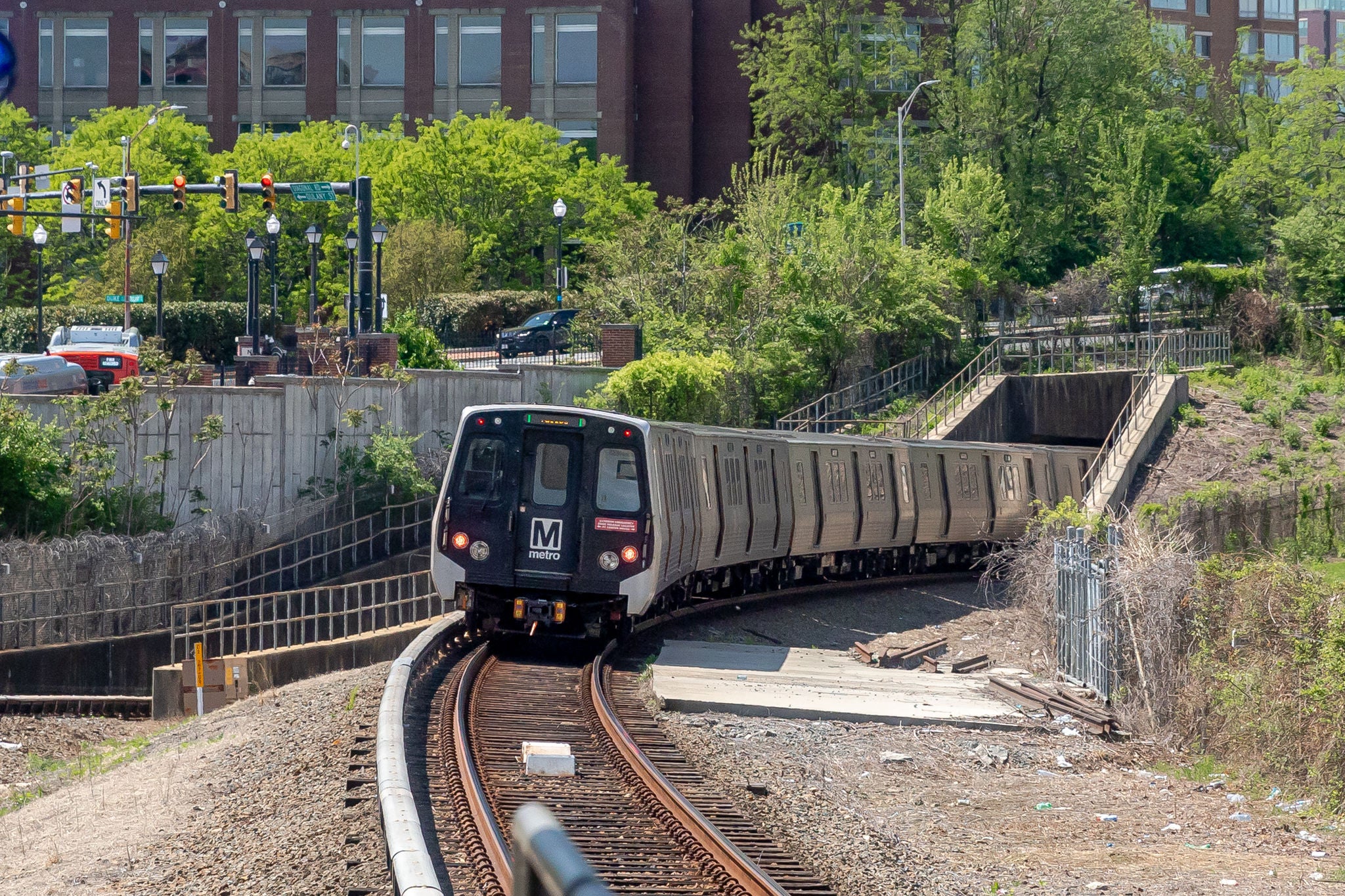
Metro is the transportation agency for the Washington, D.C. metropolitan area. Officially known as the Washington Metropolitan Area Transit Authority, or WMATA, we were created by an interstate compact in 1967 to plan, develop, build, finance, and operate a balanced regional transportation system in the national capital area.
We serve an area with a population of about four million people, covering about 1,500 square miles (4,000 km²) across the District of Columbia and parts of Maryland and Virginia.
We operate:
- Metro Rail, the nation’s second-busiest heavy rail transit service
- Metro Bus, the nation’s sixth-largest bus network
- Metro Access, a paratransit service
Since our founding, Metro has moved more than 10 billion people along our tracks and through our Metro Rail stations, on hundreds of miles of Metro Bus routes, and via 1.5 million Metro Access trips every year.
Our services support the economy, reduce traffic congestion on our roads and highways, and help clear the air and reduce carbon emissions.
Moving you with pride
Metro is more than a transit system; it's the heart of the nation's capital.
We take hundreds of thousands of you and your neighbors to work, school, and destinations throughout the region every day.
Every day our employees work hard to get you where you need to go.
Metro Bus operates about 1,300 buses serving more than 7,500 stops across the region.
Metro Rail covers 128 miles of track across six rail lines, 98 stations, and runs more than 1,200 railcars.
Metro Access covers a 1,500 square mile service area with an active fleet of over 650 vehicles
We continue to improve, expand, and extend our service.
Metro moves tourists and visitors
30 million people will visit the National Capital Region this year from everywhere in the world, and most of them will ride Metro.
We serve every major destination that the millions of tourists and visitors who come to the D.C. area each year want to reach, and provide direct Metro Rail service to Dulles and Reagan National airports and our region’s passenger rail stations.
This all supports our region’s $20 billion tourist economy and its 100,000 jobs.
And we provide service in 19 languages, representing the exceptional diversity of our residents and visitors.
Metro moves our economy forward
Every day, our $600 billion economy counts on Metro. More than 54% of our region's jobs are located within a half mile of a Metro station or bus stop. We create new communities, by working with cities and counties to facilitate development around our stations. We helped build one of America’s first modern transit-oriented development zones — along the Rosslyn-Ballston corridor above the Orange Line — and we continue to create new homes, businesses, and jobs. And we keep the economy healthy at street level, too, by getting people out of their cars, onto the sidewalks, and through the doors of neighborhood shops and service businesses.
You make Metro possible
Metro is a partnership among the federal government; the District government and state and local governments; our riders; and the public. Through the fares and taxes we pay, we all help Metro run trains and buses, keep the system in good condition, and expand service over time.
Metro’s Strategic Transformation Plan
At Metro, we have big plans for the future. Our region is growing, and we need to improve our service for our riders, expand and modernize our system to meet tomorrow’s challenges, and help build and retain a world-class workforce to do it.
The history of Metro
Since 1967, thousands of dedicated employees, public servants, and community leaders have worked together to build one of the world’s greatest transportation systems right here in and around Washington, D.C. Our story is one of vision, collaboration, and commitment, and all of us at Metro are proud to be part of it.
Sign up for Metro News releases